Robertson County still produces more dark-fired tobacco than anywhere else on earth, and Springfield is the county seat where that trade was bought, sold, and shipped for 150 years. The downtown grid exists because of it: the wide alleys behind 5th Avenue West were sized for wagons, the brick warehouses on Cheatham Street were auction floors, and the smell of smoldering hickory in October is not nostalgia, it is a working industry. If you come for one thing in Springfield, come for this. The bourbon-trail crowd has not found it yet, which is the point.
Two days is the right length. One day gets you the museum and a downtown loop but no farms. Three days runs out of tobacco-specific things and forces filler. Two days lets you spend Saturday in town at your own pace and Sunday driving the barn route through Adams, Cedar Hill, and Orlinda before dinner. Book a Friday arrival so Saturday starts at 9 a.m. with the Robertson County Archives open and the farmers market running on Public Square through noon.
Start at 9 a.m. at the Robertson County Archives inside the old jail on 5th Avenue West. Ask for the tobacco auction ledgers from the 1920s; the staff will pull them if you call ahead. Give it 45 minutes. Walk two blocks east to the Public Square, where the farmers market runs Saturdays May through October, and get coffee at Springfield Coffee Company on 6th Avenue. By 10:30 you want to be at the Robertson County Historical Museum on 5th, which has the best single room of tobacco-cultivation artifacts in the state: sled-wagons, hogsheads, priming baskets, and photos of the 1904 Night Riders raids.
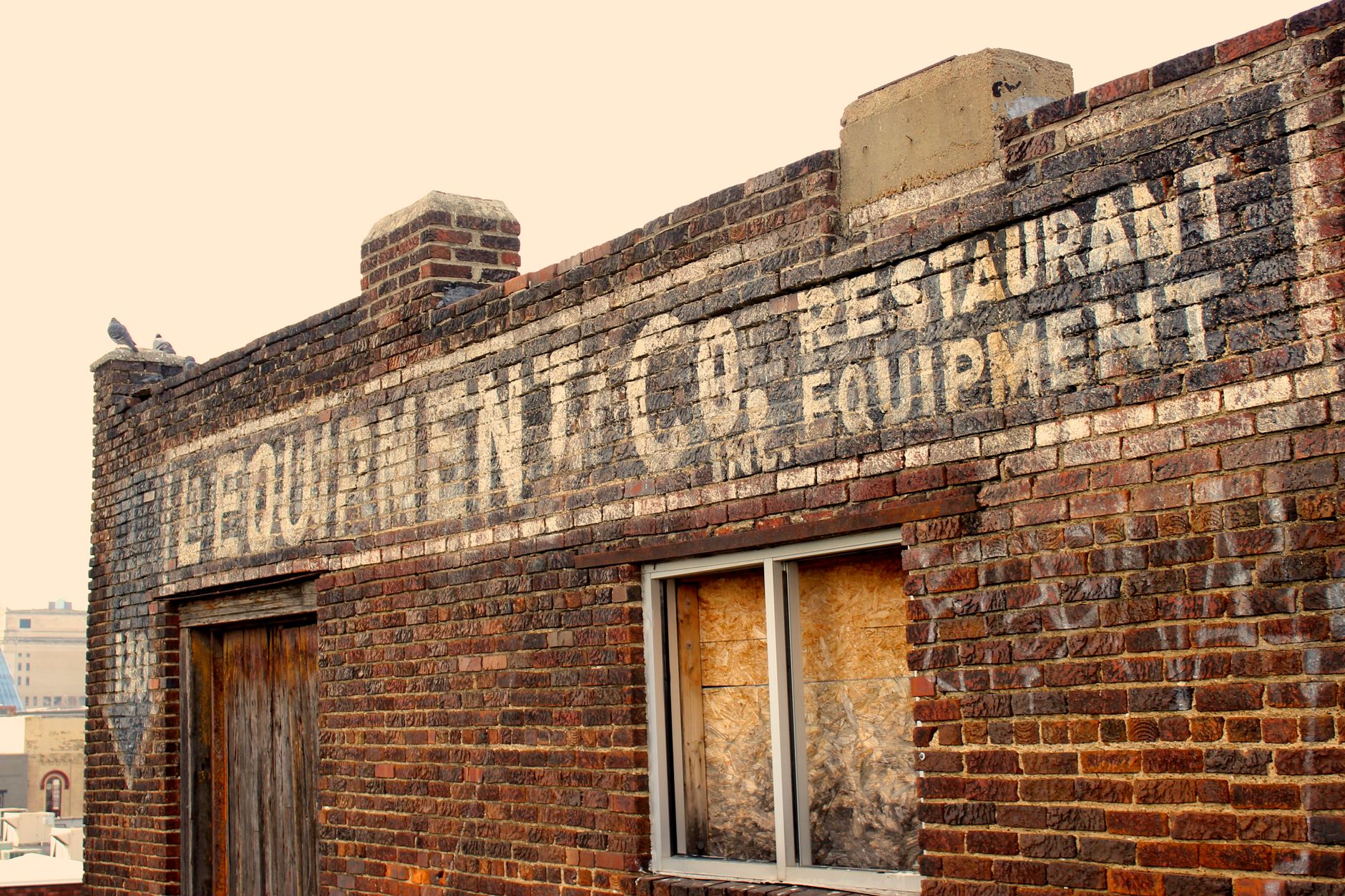
Lunch at 12:30 at Springfield Sub Station on Main, or if you want a full sit-down, cross to the Corner Slice on 6th for pizza. Skip the chains on Memorial Boulevard; they exist for commuters, not for you. After lunch, walk the warehouse district between Cheatham Street and the railroad. Several brick buildings still carry painted ghost signs for Ligget & Myers and American Snuff. The Bell Warehouse near the tracks is the most photogenic. Give the walk an hour, then return to your hotel to rest before dinner.
Dinner at 6:30 at 107 Coffee & Cocktails on Main, which does a short but serious plate menu and pours local Corsair whiskey. If you want something plainer, the Springfield Grill on Memorial does a competent ribeye for around $28. After dinner, if it is a Saturday between April and October, check whether the Robertson County Fairgrounds has anything running; the pull tractors and stock shows are more entertaining than they sound and tickets are $10.
Sleep downtown so tomorrow starts easy. The Hampton Inn on Willowbrook Drive is the safest booking at roughly $135-155 a night with real breakfast. The Holiday Inn Express on Wilks Avenue is comparable at $125-145. If you want character over consistency, the small independent motels on Memorial Boulevard run $70-85 but skip breakfast. There is no boutique hotel in Springfield proper; the nearest is in Nashville, 30 miles south, which defeats the point of the weekend.
Leave the hotel by 9 a.m. with a full tank. The route runs Springfield to Adams on Highway 41, then east on Highway 76 to Cedar Hill, then north to Orlinda on 49, then back to Springfield: about 55 miles total, three hours of driving with stops. The point is the barns. Dark-fired tobacco barns are long, low, unpainted, with vertical board siding and vented ridge caps, and you will see hundreds of them. In late October and early November, some are actively smoking, and you can smell hickory smoke a mile before you see the barn.
First real stop is the Bell Witch Cave and Cabin in Adams at 10 a.m., $18 admission, worth it not for the ghost story but because the property is a working demonstration of 1820s tobacco cultivation. From there, drive east on 76 toward Cedar Hill. The Cedar Hill General Store is the coffee stop, open Sundays after church around 11:30. Ask about the Frey and Son warehouse; someone there will tell you where to find the family barns still in use.
Orlinda is 15 minutes north of Cedar Hill on Highway 49 and has the highest density of active tobacco farms in the county. Do not trespass; the barns are photographable from the road. If you booked ahead with Robertson County Tourism, they can arrange a farm visit with the Fentress or Woodard families for about $25 per person, which includes a walk through a curing barn and a demonstration of how the hickory fires are built and tended. This is the single best thing you can do in the county and almost no visitor knows it exists.
Head back to Springfield via Highway 49 South by 3 p.m. Late lunch at Legends Steakhouse on Memorial around 3:30, or if you want lighter, the coffee shop back downtown will still be open until 4. If your drive home is short, add a stop at the Springfield Greenway trailhead on Wilks Creek for a 30-minute walk to shake off the car. You will leave knowing more about American tobacco than 99 percent of Americans.
Skip Nashville. It is 30 minutes south and it will eat your weekend if you let it. The point of this trip is that Springfield is not Nashville and does not want to be. Skip Port Royal State Park on this itinerary too; it is a good park but it has nothing to do with tobacco and the drive eats 90 minutes you need for barns. Skip any attempt to do a bourbon distillery add-on; the nearest serious one is in Nashville and the daytrip breaks the rhythm.
Skip the outlet malls in White House and the antique corridor in Goodlettsville. Both are legitimate day-trip destinations on their own, but they dilute a heritage weekend into generic middle-Tennessee errand-running. Save them for a return visit. Also skip trying to eat at the barbecue trailers you will pass on Highway 41; most only open Thursday through Saturday lunch, and by Sunday afternoon the good ones have sold out. Plan food around what is actually open.
Total spend for two people over two days, excluding gas home: about $520 with a mid-range hotel, $380 with a budget motel. That covers two hotel nights, six meals, museum admission, the Bell Witch tour, and one farm visit. Add $50 if you buy tobacco-country cookbooks or archive prints, which you should. Fuel for the Sunday drive is under $15 in a normal sedan.
Come in October. The curing fires run late September through mid-November and October is peak: cool mornings, warm afternoons, and the smell of hickory smoke drifting across every county road. Second-best is late April when the seedbeds are being set out and the fields are green. Avoid July and August; the tobacco is in the ground but nothing dramatic is happening, and Springfield hits 92 degrees with high humidity. December through February the barns are empty and the story is invisible.
Yes, but only by prearrangement. Call Robertson County Tourism at least two weeks ahead and ask about the Fentress or Woodard family visits, which run roughly $25 per person during curing season, September through November. Do not knock on farmhouse doors uninvited; these are private working operations.
Yes, for the tobacco cabin and the property, not the ghost story. The 1820s log cabin on site is an authentic reconstruction with period tobacco tools, and the guides know the agricultural history well if you ask. Admission is $18, tours run hourly, and it takes about 90 minutes.
Yes, several hundred barns across Robertson County still fire every fall. Peak smoking runs early October to mid-November. You can smell the smoke from country roads and see it drifting from ridge caps at dusk. This is the only region in the United States where dark-fired curing survives at commercial scale.
Two is right for tobacco heritage specifically. A third day forces you into Nashville or Clarksville and dilutes the theme. If you want three days in the region, use the third for Port Royal State Park and Cross Plains rather than more tobacco content, which starts to repeat itself.
Every booking through Springfield Destinations funds one verified tonne of carbon removal — same room, same price, no markup.
Find a stay