This is the one to lead with, and it isn’t close. The museum sits in a modest brick building a block off the courthouse square and packs three rooms with tobacco press models, hogshead barrels, curing thermometers, and the auction warrant books that ran the county's economy from the 1870s to the 1990s. The volunteers on desk on Saturday mornings are usually retired farmers or auctioneers, and they’ll walk you through the difference between dark-fired and burley in about ten minutes flat. Admission runs on a suggested donation of five dollars.
Give it 45 minutes if you’re passing through, 90 minutes if you want to read the ledgers. The photographs of the old Springfield warehouses along 5th Avenue are worth the trip alone — most of those buildings are gone or repurposed now, and this is where you see what the town looked like when it moved 40 million pounds a year. Skip it only if you’re arriving on a Sunday or Monday; hours are limited and calling ahead is the honest move. Ranked first because nothing else in the county condenses the story this well.
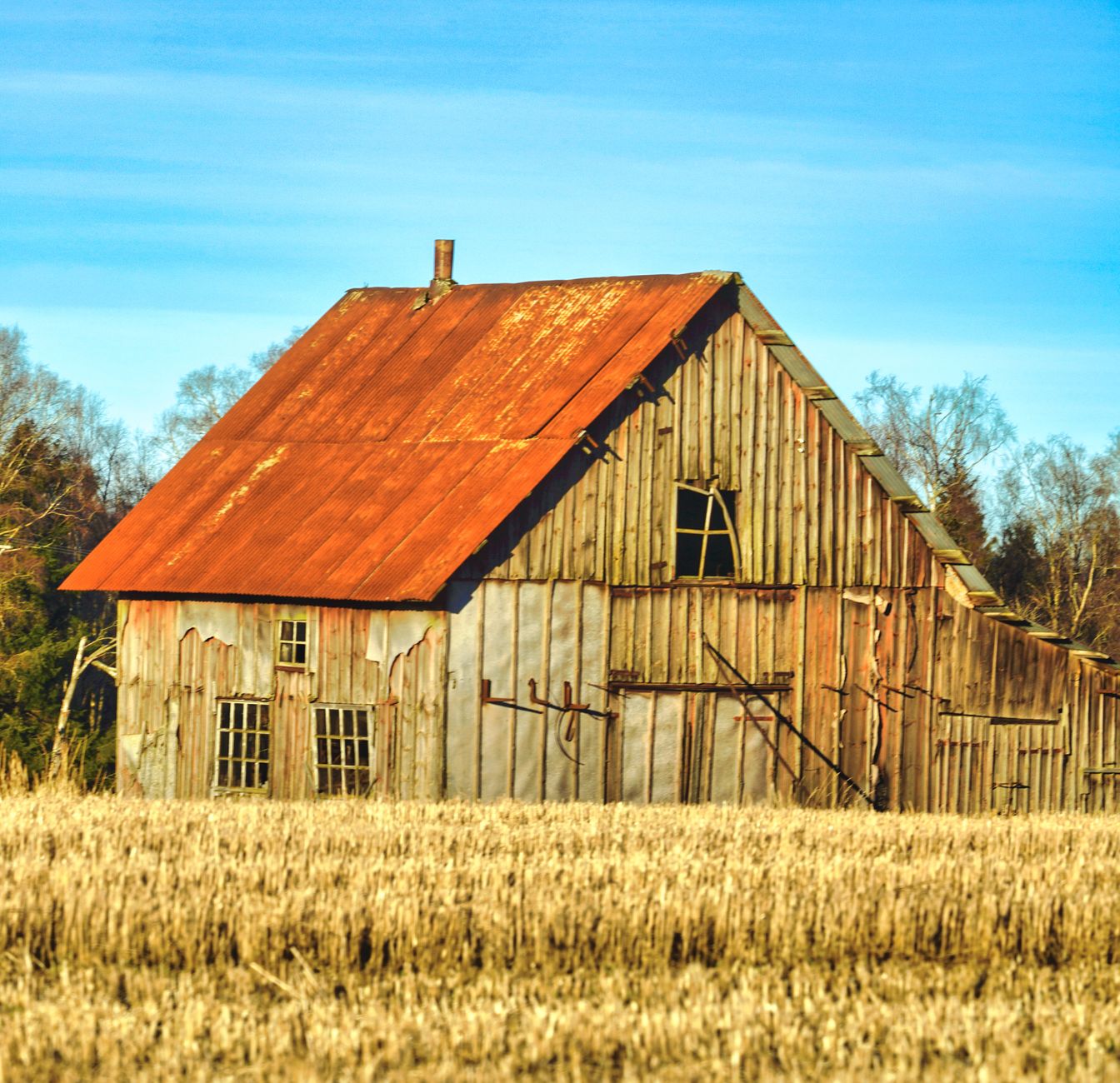
There is no signed public barn tour, but the stretch of Highway 41 between Adams and Cedar Hill is lined with working dark-fired barns, and in late September through November you can smell the hickory smoke from the road. Pull into any farm stand and ask; growers around here are used to curious visitors and several will let you step to the barn door if the fires are lit. The Bell Witch Cave farm at Adams sometimes coordinates informal viewings when the curing season overlaps with their tour schedule.
This is the sensory half of the education the museum can’t give you: the low orange glow of smouldering sawdust, the leaves hanging on wooden sticks in tight rows, the specific sweet-acrid smell that clings to your jacket for a day. Bring cash for whatever the farmer is selling — sorghum, sweet potatoes, sometimes cured hams — and don’t photograph without asking. Ranked second because it's the real thing, but placed below the museum only because access is informal and seasonal.
The Bell Witch is Tennessee's most famous ghost story, but the site itself is genuinely a working piece of tobacco-country heritage: the Bell family were dark-fire growers, the cabin reconstruction shows a period farmhouse, and the cave tour walks you through the geology that shaped what could and couldn’t be farmed on this ridge. Tours run roughly May through October, cost around 25 dollars, and take about 90 minutes including the cabin. Adams is 15 minutes northwest of Springfield on Highway 41.
Come for the ghost, stay for the context. The guides lean into the haunting, but the cabin exhibit and the farm layout tell you more about 1820s tobacco life than anywhere else in the county. Book ahead in October — it sells out — and wear closed shoes because the cave floor is wet and uneven. Skip if you dislike guided groups or narrow passages. Ranked third because the heritage content is genuine even if the marketing leans folklore.
This one is a self-guided walk, not a museum, but for anyone who wants to see the physical scale of the industry it's essential. Start at the courthouse square and walk two blocks west and south. The long low buildings with the loading doors and rail sidings were tobacco warehouses; several still carry faded painted signs, and a few have been converted to storage, offices, or event space. The Farmers Warehouse building is the most legible from the outside.
Give it 30 minutes with the historical society's walking map in hand — they’ll print you one for a dollar. What you’re looking at is what Springfield was: a town whose entire commercial core existed to grade, store, auction and ship one crop. When the last auction warehouse closed in the early 2000s the shape of downtown changed permanently. Ranked fourth because the buildings are quiet now and you have to bring the context yourself, but for a certain kind of visitor this is the most affecting stop on the list.
Wessyngton was, in the 1860s, the largest dark-fired tobacco operation in the United States, worked by more than 250 enslaved people. The main house still stands on private land off Highway 49 west of Cedar Hill and is not open for tours, but the site is important enough that any honest tobacco-heritage itinerary has to name it. John Baker's book Wessyngton Plantation, sold at the historical society museum for about 25 dollars, is the definitive account and pairs the story of the Washington family with the genealogies of the enslaved families they held.
What to actually do: read the book before or after you drive past, and combine the drive with lunch in Cedar Hill or a stop at Port Royal State Park on the way. Do not trespass — the house is a private residence. Ranked fifth because the site is not a visitor attraction, but the history it represents is inseparable from any real understanding of how tobacco wealth was built in this county, and pretending otherwise would be dishonest.
Port Royal sits on the Red River about 20 minutes west of Springfield and preserves the site of a 19th-century river town that was, among other things, a shipping point for tobacco heading to New Orleans. The park is small, free, and has a covered bridge reconstruction, a short interpretive trail, and picnic tables under sycamores along the water. Give it an hour, longer if you’re bringing sandwiches.
The tobacco content is thinner here than at the museum or the warehouse district — the interpretive signs cover the Trail of Tears and the general store more than the crop economy — but the setting makes the shipping side of the story concrete. Before rail, this is how the hogsheads left the county. Combine it with a stop at Bell Witch Cave 15 minutes north and you have a good half-day loop. Ranked last because the tobacco angle is implied rather than foregrounded, but the park itself is worth the drive.
The efficient loop is museum first thing Saturday morning in Springfield, warehouse district walk while you’re already downtown, lunch on Main Street, then drive Highway 41 north to Adams for the Bell Witch tour at 2pm. On the way back cut west on 76 to Port Royal for an hour of walking off the day. That leaves Wessyngton as a slow drive-past on Highway 49 if you have energy left, or a separate trip built around the book.
Total driving is under 60 miles and the whole day runs about 175 dollars for two people including admissions, lunch on Main Street around 30 dollars for two, and the Bell Witch tickets. Do it in curing season — late September into early November — and you’ll get the smell of the barns as a bonus that no amount of museum text can replicate. Anyone selling you a Robertson County heritage tour that doesn’t touch at least four of these stops isn’t being straight with you.
Not as a regular scheduled product. The Robertson County Historical Society occasionally organises group tours during heritage weekends in October, and private guides work by appointment through the museum. For an individual visitor, the self-guided loop above is the practical answer and costs a fraction of a booked tour.
Curing runs roughly late September through early November, with the fires most active in October. Drive Highway 41 between Springfield and Adams in the late afternoon and you’ll see smoke from a dozen barns. Ask a grower at a farm stand before approaching any barn — access is a courtesy, not a right.
Dark-fired leaves are cured over smouldering hardwood fires for several weeks, which gives them a heavy smoky flavour used mainly in snuff, chewing tobacco and cigar wrappers. Burley, grown in East Tennessee and Kentucky, is air-cured and used for cigarettes. Robertson County is the historic centre of the dark-fired belt.
Every booking through Springfield Destinations funds one verified tonne of carbon removal — same room, same price, no markup.
Find a stay